


CRM and marketing automation software are two powerful tools for businesses. They help manage customer relationships and streamline marketing tasks.
Understanding the difference between these two systems is essential for any business looking to grow. While both tools aim to improve customer engagement, they focus on different aspects of the customer journey. CRM software centers on managing interactions with existing customers.
It tracks sales, support, and customer information. On the other hand, marketing automation focuses on automating marketing tasks, like email campaigns and social media posts. Knowing how each tool works can help you choose the right one for your needs. This guide will explore the key differences between CRM and marketing automation software, helping you make an informed decision for your business.
Introduction To Crm And Marketing Automation
CRM stands for Customer Relationship Management. It helps businesses manage customer data. Core functions include tracking sales, managing leads, and storing customer information. It builds strong relationships with clients.
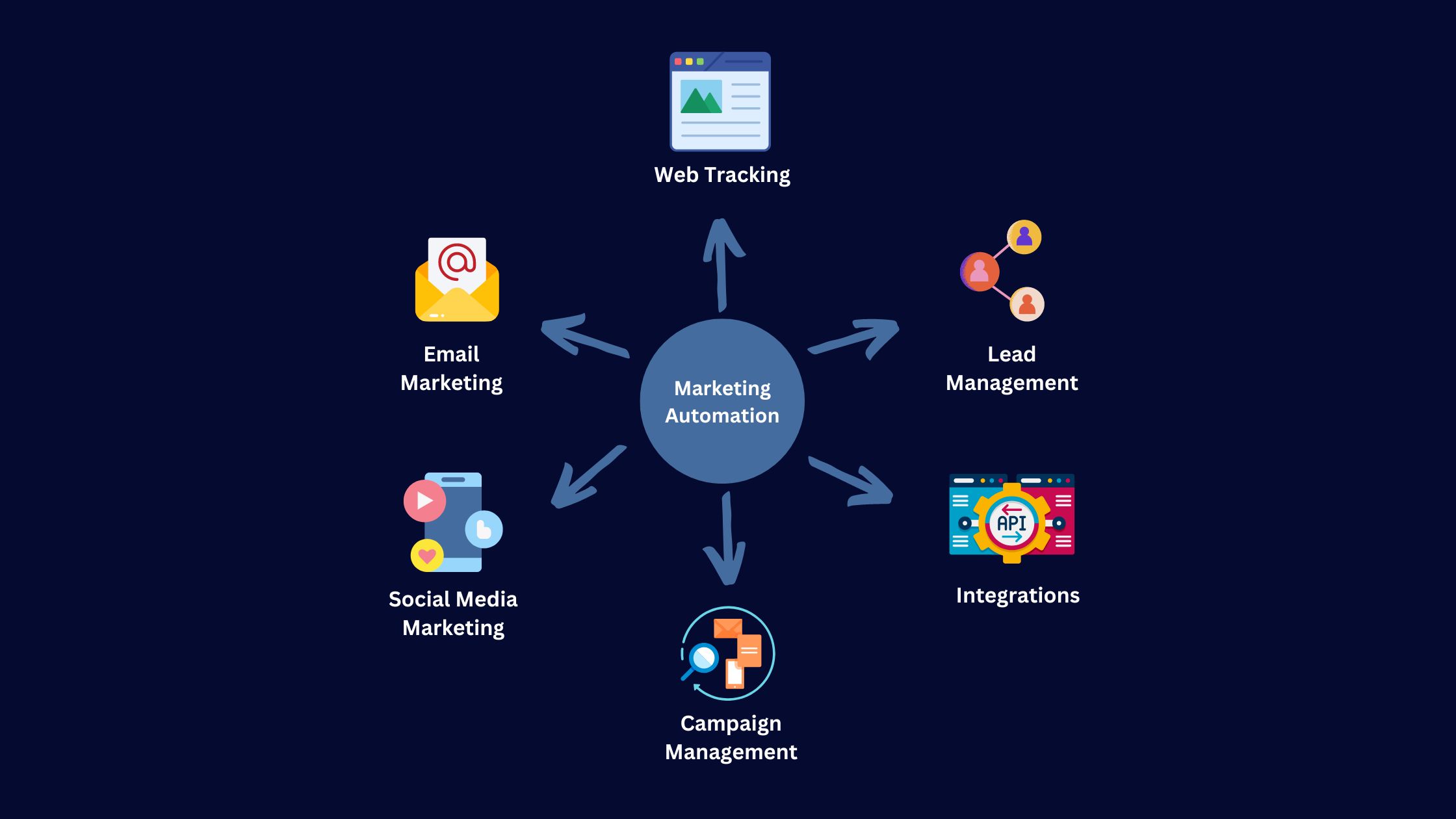
Marketing Automation focuses on automating marketing tasks. It sends emails, tracks website visits, and manages social media posts. The primary goals are to increase efficiency and improve customer engagement.
Both systems help businesses grow. They work well together. CRM helps with customer data, while marketing automation helps reach customers.
History And Evolution
CRM software started in the 1980s. It helped manage customer data. Businesses wanted to keep track of interactions. This improved customer service and sales.
Marketing automation tools began in the early 2000s. These tools helped businesses send emails and run campaigns. They aimed to reach customers more effectively.
CRM focuses on relationships. It builds trust with customers. Marketing automation focuses on reaching more people. It automates tasks to save time.
Both tools work well together. They help businesses grow. Understanding their differences is key to success.
Key Features Of Crm Software

Contact Management helps keep track of customer information. It stores names, emails, and phone numbers. Easy access to this data helps teams connect with customers.
Sales Pipeline Monitoring shows the steps in a sale. It helps teams see where each deal is. Knowing this makes it easier to focus on what needs attention.
Customer Support and Service is crucial for happy customers. CRM software tracks support requests and responses. This helps solve issues quickly and keeps customers satisfied.
Essential Elements Of Marketing Automation
Email Campaign Management helps send messages to many people. You can create lists of contacts. This way, you share news and updates easily. Personalizing emails makes them more engaging.
Lead Nurturing and Scoring keep track of potential customers. You can see who is interested. Scoring helps prioritize leads based on their actions. This process helps tailor messages to their needs.
Web Activity Tracking shows what users do on your site. You can see which pages they visit. This information helps improve user experience. Understanding user behavior guides better marketing strategies.
Target Users And Deployment
CRM software is used by many types of businesses. It helps manage customer relationships. The typical users include sales teams and support staff. They want to track customer interactions and improve service.
Marketing automation software attracts different profiles. Marketers use it to manage campaigns. Users often include marketing teams and content creators. They focus on reaching more customers and analyzing results.
| User Type | CRM Software | Marketing Automation Software |
|---|---|---|
| Typical Users | Sales Teams, Support Staff | Marketing Teams, Content Creators |
| Main Goal | Manage Customer Relationships | Run Campaigns and Analyze Results |
Integration And Interoperability
Combining CRM and Marketing Automation helps businesses work better together. CRM stores customer information. Marketing automation helps send emails and run campaigns. When these tools connect, they share important data. This makes it easier to understand customers.
With good integration, teams can see the same information. Sales teams know what marketing is doing. Marketing teams know what sales need. This leads to better teamwork and more sales.
Data Syncing and System Communication are key parts of this process. Data syncing makes sure all systems have the same information. System communication allows tools to talk to each other. This helps in making quick decisions. Businesses can act fast on customer needs.
Impact On Customer Journey
CRM helps build strong customer relationships. It keeps all data in one place. This makes it easy to understand customer needs. Better understanding leads to better service.
Marketing automation simplifies marketing tasks. It sends emails automatically. It tracks how customers respond. This saves time and effort.
Both tools improve the customer journey. CRM focuses on customer support. Marketing automation focuses on promotions. Together, they create a seamless experience.
Choosing The Right Tool For Your Business
Choosing the right tool is important for your business. Assess your needs first. Think about your goals. What do you want to achieve? This helps you find the best software.
Cost matters too. Compare prices of CRM and marketing automation tools. Look for the best return on investment (ROI). A good tool should save you money and time.
Scalability is key. Will the software grow with your business? Check if it can adapt to changes. Flexibility helps you meet new challenges as they come.
Future Trends And Innovations
AI and Machine Learning are changing how we use software. These tools help understand customer needs better. They can analyze large amounts of data quickly. This makes it easier to find patterns.
Predictive Analytics looks at past data. It helps forecast future customer behavior. Businesses can use this to make smart decisions. They can target the right audience at the right time.
These technologies improve customer experience. They make interactions more personal and relevant. As they advance, expect even more benefits.

Credit: encharge.io
Case Studies And Success Stories
CRM transformations show how businesses improve with new tools. One company cut customer response time by half. They used CRM to track every interaction. This helped them understand customer needs better.
Another business increased sales by using CRM data. They identified leads that were most likely to buy. This made their sales team more effective.
Marketing automation triumphs highlight efficiency gains. A small business increased email open rates by 40%. They used automated campaigns to reach customers at the right time.
A large company saved time with automated social media posts. They scheduled content in advance. This allowed their team to focus on other important tasks.
Conclusion: Complementary Roles In Business Growth
CRM focuses on managing customer relationships. It helps track sales and customer interactions. Marketing automation streamlines marketing tasks. It automates emails and social media posts.
CRM offers insights into customer behavior. This helps businesses understand their clients better. Marketing automation targets specific audiences. It sends messages to the right people at the right time.
| Feature | CRM | Marketing Automation |
|---|---|---|
| Purpose | Manage customer relationships | Automate marketing tasks |
| Focus | Sales tracking | Targeted messaging |
| Insights | Customer behavior | Marketing effectiveness |
Both tools work well together. They improve customer experience. Using both can help a business grow.
Credit: www.rolustech.com
Frequently Asked Questions
What Is CRM Software Used For?
CRM software is designed to manage customer relationships and interactions. It helps businesses track leads, sales, and customer service activities. By organizing customer data, it enhances communication and improves customer satisfaction. Ultimately, CRM software aims to foster loyalty and drive sales growth effectively.
How Does Marketing Automation Differ From Crm?
Marketing automation focuses on automating marketing tasks, such as email campaigns and social media scheduling. In contrast, CRM software centers on managing customer relationships and interactions. While both tools aim to enhance customer engagement, their primary functions and workflows differ significantly, serving distinct business needs.
Can CRM And Marketing Automation Work Together?
Yes, CRM and marketing automation can integrate seamlessly to enhance business efficiency. By combining these tools, organizations can streamline lead generation, nurturing, and customer relationship management. This integration allows for better data sharing and improved targeting, resulting in more effective marketing strategies and higher conversion rates.
Which Is Better For Small Businesses?
Choosing between CRM and marketing automation depends on specific business needs. Small businesses often benefit from CRM for managing customer relationships. However, if they have established marketing processes, marketing automation can enhance efficiency. Ultimately, the best choice is based on the business’s current goals and resources.
Conclusion
CRM and marketing automation software serve different purposes. CRM focuses on managing customer relationships. It helps track interactions and sales. Marketing automation streamlines marketing tasks. It automates emails, social media, and campaigns. Both tools can work together. They enhance customer engagement and drive sales.
Choosing the right software depends on your needs. Understand your goals first. A clear strategy leads to better results. Use the right tools to grow your business effectively. Make informed choices for success.


