


Finding the right app for scheduling employees can make a big difference. A good scheduling tool helps businesses run smoothly and keeps employees happy.
Many companies struggle with employee scheduling. Conflicting schedules, last-minute changes, and communication gaps can lead to frustration. The best app for scheduling employees should simplify this process. It should allow managers to create and share schedules easily while giving employees access to their shifts.
Features like reminders, time-off requests, and availability updates are important. With so many options available, it can be hard to choose the right one. This guide will explore the top apps that help businesses effectively manage employee schedules. Let’s dive in and find the best solution for your needs.
Introduction To Employee Scheduling Apps
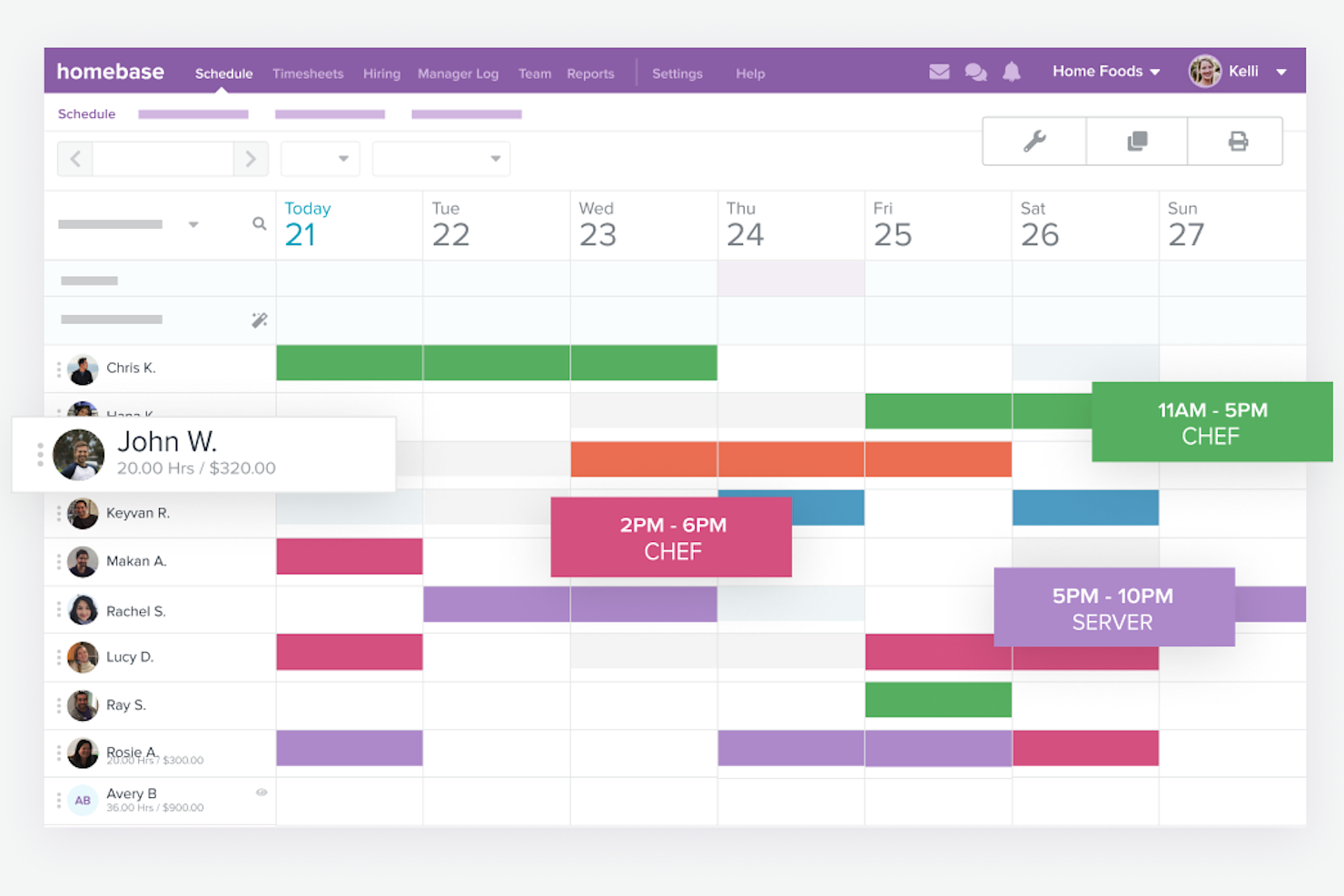
Employee scheduling apps help businesses manage their staff easily. These tools save time and reduce confusion. Technology plays a big role in managing workers. It helps create schedules, track hours, and communicate better.
Key features of employee scheduling software include:
- Easy Scheduling: Create shifts quickly.
- Real-Time Updates: Changes reflect instantly.
- Mobile Access: Employees check schedules on their phones.
- Time Tracking: Monitor hours worked easily.
- Communication Tools: Chat and message staff directly.
Credit: peoplemanagingpeople.com
Criteria For Evaluating Scheduling Apps
Ease of use is very important for scheduling apps. A simple user interface helps everyone. Users should find it easy to create and change schedules. Clear buttons and menus make it faster.
Integration with other tools matters a lot. Apps should connect well with payroll systems. This saves time and reduces errors. Check if the app can link with calendars. A good app makes teamwork smoother.
Popular Employee Scheduling Apps
Many people want the best employee scheduling apps. Here are some popular options:
| App Name | User Rating | Key Features |
|---|---|---|
| When I Work | 4.5/5 | Easy scheduling, mobile access, and shift reminders. |
| Homebase | 4.6/5 | Time tracking, team messaging, and reporting tools. |
| Deputy | 4.4/5 | Scheduling, payroll integration, and task management. |
Read user reviews. See what people think. Ratings help make the right choice.
Scheduling For Different Industries
Different industries need unique scheduling apps. Each sector has special needs.
Healthcare requires real-time updates for staff shifts. Retail needs easy access to schedules for many employees.
Restaurants benefit from features like shift swapping. Construction focuses on tracking hours and job sites.
| Industry | Special Features |
|---|---|
| Healthcare | Real-time updates, shift alerts |
| Retail | Mobile access, easy scheduling |
| Restaurants | Shift swapping, staff communication |
| Construction | Job tracking, hours management |
Success stories show how these apps help businesses. Many companies see better staff management.
Efficient scheduling leads to happier employees. Happy workers often stay longer and work better.
Mobile Accessibility And Cloud-based Solutions
Mobile access is very important for staff. It helps employees check their schedules anytime. Staff can easily swap shifts with a few taps. This makes planning easier for everyone.
Cloud computing offers many benefits for scheduling. It allows managers to access data from anywhere. Updates happen in real-time, so everyone stays informed. Staff can view their schedules on phones or tablets. This means less confusion and fewer missed shifts.
| Benefit | Description |
|---|---|
| Real-time updates | Changes are seen by everyone at once. |
| Accessibility | View schedules from any device. |
| Easy communication | Staff can connect with each other quickly. |
Cost Considerations And Pricing Models
Choosing between free and paid scheduling apps is key. Free apps often have limited features. They may not meet all your needs. Paid apps usually offer more tools. These tools can save time and effort.
Look at the total cost of ownership. This means more than just the price. Consider hidden fees and support costs. Some paid apps charge for extra features. Free apps might require upgrades later.
Think about what you need. A free app might be enough for small teams. Larger teams may need a paid option. Always check what each app offers before deciding.
Security And Data Privacy
Protecting employee information is very important. The best apps keep data safe. They use strong passwords and encryption. This helps stop bad people from accessing data.
Apps must follow data protection regulations. These rules protect personal information. They help companies manage data responsibly. This builds trust with employees and customers.
Regular audits check for security issues. Training staff on data safety is essential. Everyone should understand how to protect information.

Credit: peoplemanagingpeople.com
The Future Of Employee Scheduling
Predictive analytics and AI are changing scheduling. They help managers make better decisions. These tools can predict employee needs. They analyze past data to forecast busy times. This means fewer scheduling conflicts.
AI can suggest the best shifts for each worker. It takes into account their skills and availability. This helps create a fair schedule. Employees feel valued and satisfied.
Using these technologies saves time. Managers spend less time on scheduling tasks. They can focus on other important work. Overall, predictive analytics and AI improve employee scheduling.

Credit: zapier.com
Frequently Asked Questions
What Features Should I Look For In Scheduling Apps?
When choosing an employee scheduling app, consider features like user-friendly interfaces, mobile access, and integration with payroll systems. Look for options that offer shift swapping, time-off requests, and real-time notifications. These features enhance communication and streamline the scheduling process for both managers and employees.
How Much Do Employee Scheduling Apps Cost?
The cost of employee scheduling apps can vary widely. Basic plans can start as low as $10 per month, while more advanced features may range from $25 to $100 monthly. Many providers also offer free trials, allowing businesses to test the app before committing to a subscription.
Can Scheduling Apps Improve Employee Productivity?
Yes, effective scheduling apps can significantly boost employee productivity. By automating scheduling tasks, managers save time and reduce errors. Employees benefit from clearer schedules, leading to better work-life balance and increased job satisfaction, which ultimately enhances overall productivity.
Are There Free Options For Employee Scheduling Apps?
Yes, there are several free employee scheduling apps available. These often come with basic features suitable for small businesses or startups. However, consider the limitations of free versions, such as fewer integrations and limited support, before choosing one for your team.
Conclusion
Choosing the best app for scheduling employees matters. It can save time and reduce stress. Look for features that fit your business needs. Easy-to-use apps help everyone stay organized. Check user reviews for real feedback. Consider costs and support options, too.
A good scheduling app makes work life easier. It helps your team connect and stay informed. Make the right choice, and see the difference it makes. Happy scheduling!


