In today’s fast-paced digital world, businesses need efficient ways to manage marketing tasks. Marketing automation software helps streamline these processes.
Marketing automation software has become essential for modern businesses. It saves time by automating repetitive tasks like emails, social media posts, and ad campaigns. This software helps companies engage with customers consistently without manual effort. Imagine sending personalized emails to thousands of customers with just a few clicks.
Marketing automation makes it possible. It also provides valuable insights through analytics, helping businesses understand what works and what doesn’t. With many options available, finding the right tool can be overwhelming. In this guide, we’ll explore the essentials of marketing automation software, helping you choose the best fit for your needs.
Introduction To Marketing Automation
Marketing automation software is transforming how businesses engage with customers. This technology streamlines marketing tasks, making them more efficient. It helps businesses save time and resources. Let’s dive into what marketing automation is and why it’s important.
What Is Marketing Automation?
Marketing automation involves using software to automate marketing tasks. These tasks include email campaigns, social media posts, and ad management. It helps businesses connect with customers without manual effort. The software tracks and manages marketing activities. This ensures consistent communication with customers. It also provides valuable insights into customer behavior.
Importance Of Automation In Marketing
Automation is crucial in modern marketing. It saves time and reduces human error. This allows marketers to focus on strategy and creativity. Automated tools ensure campaigns run smoothly and on time. They also provide data for better decision-making. With automation, businesses can scale their marketing efforts. This leads to increased efficiency and effectiveness.
Marketing automation also improves customer experience. Automated messages can be personalized. This makes customers feel valued. Consistent communication helps build trust and loyalty. Automation tools can segment audiences based on behavior. This ensures the right message reaches the right audience.
In summary, marketing automation is a powerful tool. It helps businesses optimize their marketing efforts. It saves time, reduces errors, and improves customer relationships. Embrace automation to stay competitive in today’s market.

Credit: blog.n8n.io
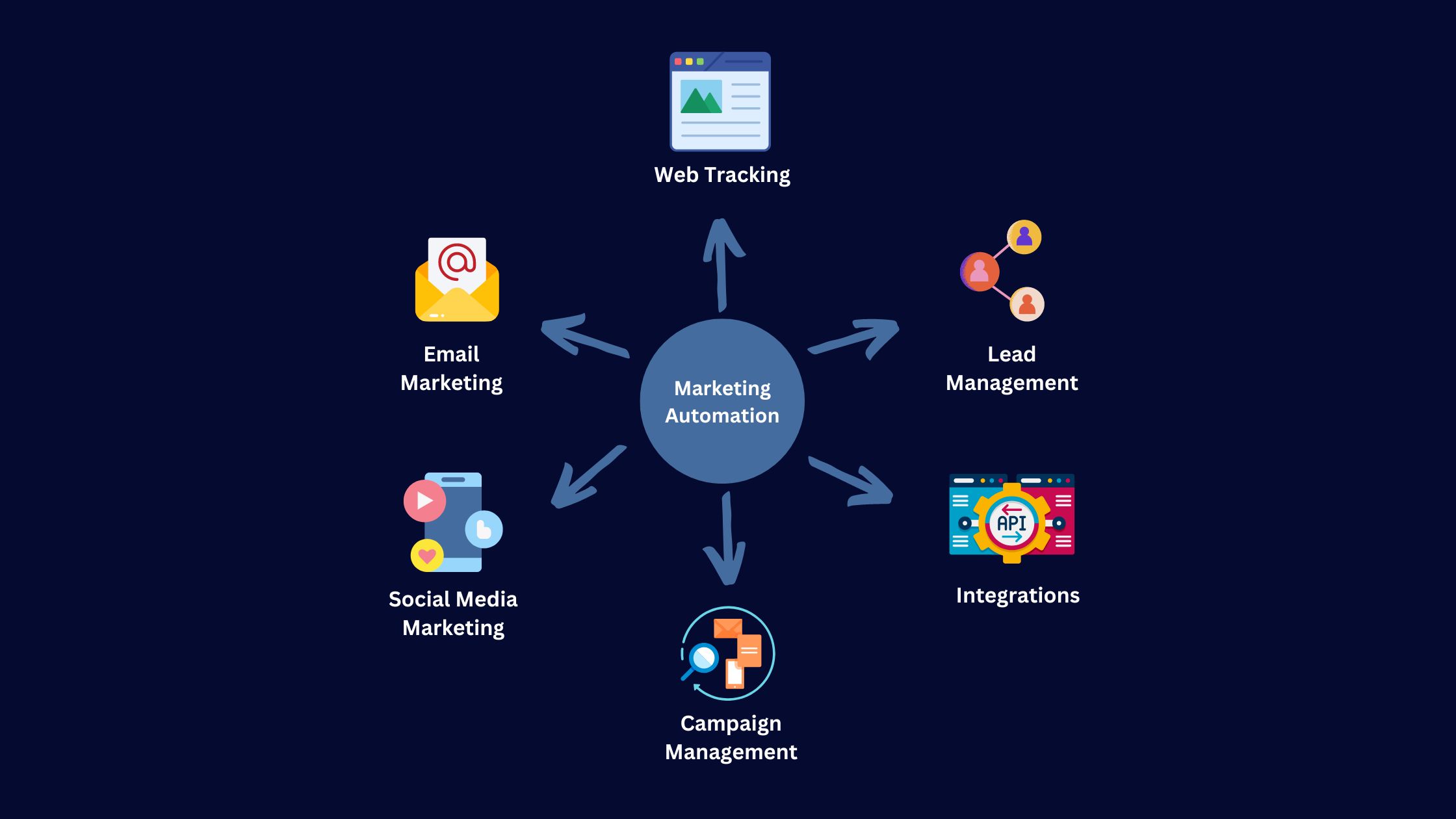
Key Features Of Marketing Automation Software
Marketing automation software offers various features that streamline marketing tasks. These tools help businesses save time and improve their marketing strategies. Understanding the key features can help you make an informed choice.
Email Marketing
Email marketing is a core feature of marketing automation software. It helps create, send, and track email campaigns. You can design emails using templates or customize them. Schedule emails to be sent at the best times. Personalize emails for each recipient. Track open rates, clicks, and conversions to see what works.
Lead Management
Lead management helps you track and manage potential customers. Capture leads from various sources like forms and social media. Score leads based on their actions and interests. Nurture leads with personalized content. Move leads through the sales funnel effectively. Ensure no lead gets lost or ignored.
Analytics And Reporting
Analytics and reporting provide insights into your marketing efforts. Track key metrics like engagement, conversions, and ROI. Generate detailed reports to understand performance. Use data to make informed decisions. Identify areas for improvement. Optimize your strategies for better results.
Choosing The Right Marketing Automation Software

Choosing the right marketing automation software can be a game-changer for your business. It can streamline tasks, improve efficiency, and boost your marketing efforts. But with so many options, finding the perfect fit can be challenging. This guide will help you make an informed decision.
Identifying Business Needs
Start by identifying your business needs. Understand what you want to achieve with marketing automation. Are you aiming to nurture leads? Or automate email campaigns? Define your goals clearly. A clear goal will guide your choice.
Next, assess your current marketing efforts. Look at what’s working and what’s not. This will help you identify gaps. Also, consider the size of your business. Small businesses have different needs than large enterprises. Understanding these factors will narrow down your options.
Comparing Popular Tools
Once you know your needs, compare popular marketing automation tools. Look at features, pricing, and user reviews. Some tools offer advanced features. Others focus on simplicity and ease of use. Choose the one that aligns with your goals.
Consider tools like HubSpot, Mailchimp, and Marketo. HubSpot offers a comprehensive suite of tools. Mailchimp is great for email marketing. Marketo is ideal for large enterprises. Compare these tools based on your requirements. Remember, the right tool will fit your specific needs.
Implementing Marketing Automation
Implementing marketing automation can transform your business operations. It helps streamline tasks, saves time, and boosts efficiency. But, to get these benefits, you need to set it up correctly. This guide will walk you through the process.
Setting Up Your Software
Start with choosing the right marketing automation software. Look for features that match your needs. Once chosen, follow the setup instructions provided. Configure the software according to your goals. Customize the settings to fit your business processes. Test the software to ensure it works as expected. Make adjustments where necessary.
Integrating With Existing Systems
Integration is crucial for seamless operation. First, identify the systems you need to integrate. These could be CRM, email marketing, or social media platforms. Check if the software supports these integrations. Follow the integration guides provided by the software. This step ensures your data flows smoothly between systems. Monitor the integration process to catch any issues early. Troubleshoot and resolve any problems promptly.
Best Practices For Marketing Automation
Marketing automation software can streamline your marketing efforts. It saves time, improves efficiency, and enhances customer engagement. To get the most out of your marketing automation, follow these best practices. These tips will help you create more effective and personalized campaigns.
Personalization
Personalization is key in marketing automation. Use customer data to tailor your messages. Address your customers by their names. Recommend products based on their previous purchases. Personalized emails have higher open rates. They also lead to better engagement and conversions.
Segmentation
Segmentation involves dividing your audience into smaller groups. Each group shares common traits or behaviors. This allows you to send more targeted messages. You can segment based on demographics, purchase history, or browsing behavior. Segmented emails perform better than non-segmented ones. They result in higher click-through rates and conversions.
A/b Testing
A/B testing helps you find the best version of your marketing materials. Test different subject lines, images, or call-to-actions. Send variations to different segments of your audience. Measure which version performs better. Use the winning version in your final campaign. This practice improves your marketing effectiveness over time.
Credit: www.rolustech.com
Measuring Success With Marketing Automation
Measuring success with marketing automation is crucial for any business. Knowing what works and what doesn’t helps refine strategies. It can lead to better outcomes and more effective campaigns. This section will discuss key metrics to track and how to interpret data for better decisions.
Key Metrics To Track
Tracking the right metrics is vital. Start with email open rates. They show if your audience is interested. Click-through rates are next. They tell you if the content is engaging. Conversion rates are also important. They show if your efforts lead to sales or desired actions.
Monitor lead scoring. It helps prioritize the most promising leads. Customer lifetime value (CLV) is another key metric. It shows the total worth of a customer over time. Tracking return on investment (ROI) is essential. It tells you if your marketing automation efforts are paying off.
Interpreting Data For Better Decisions
Data interpretation can be challenging. Start with the basics. Look at trends in open and click-through rates. Are they improving over time? If not, consider changing your subject lines or content.
Analyze conversion rates. Are they aligned with your goals? If not, review your call-to-action. Make sure it’s clear and compelling. Lead scoring can guide sales efforts. Focus on high-scoring leads. They are more likely to convert.
Customer lifetime value helps in long-term planning. High CLV means loyal customers. Focus on retaining them. ROI tells you where to invest. High ROI campaigns deserve more attention and resources.
Common Challenges And Solutions
Marketing automation software can boost your business’s efficiency and productivity. But it is not without challenges. Many businesses encounter technical issues or struggle with team adoption. Fortunately, solutions exist for these common problems.
Overcoming Technical Issues
Technical issues can derail your marketing automation efforts. Bugs, software crashes, and integration problems are common. Regular software updates can prevent many technical issues. Keep your software up-to-date to avoid bugs and crashes.
Integration problems often stem from compatibility issues. Ensure your marketing automation software is compatible with your existing systems. Consult with your software provider for guidance on integration. They can offer valuable insights and support.
Ensuring Team Adoption
Team adoption is crucial for the success of marketing automation. Resistance to change can hinder adoption. Offer training sessions to ease this transition. Provide hands-on training to help your team understand the software’s benefits.
Communicate the advantages of marketing automation clearly. Show your team how the software simplifies their tasks. Highlighting time-saving features can increase enthusiasm. Encouragement and support are key to ensuring team adoption.
Future Trends In Marketing Automation
Marketing automation software is evolving rapidly. Businesses seek ways to enhance efficiency and personalize customer interactions. Staying updated with future trends helps companies stay competitive. The future of marketing automation promises exciting developments.
Ai And Machine Learning
AI and machine learning are transforming marketing automation. These technologies analyze large data sets quickly. They help marketers make data-driven decisions. Predictive analytics can forecast customer behavior. AI-driven tools personalize content in real-time. This leads to higher engagement and conversion rates. Automation of mundane tasks frees up time for creative strategies.
Enhanced Customer Experiences
Customer experience is key in marketing. Personalized interactions build stronger relationships. Automation software now offers tailored recommendations. These tools track customer journeys and preferences. They deliver relevant content at the right time. Chatbots provide instant support, enhancing user satisfaction. Seamless experiences across channels improve brand loyalty. The focus is shifting towards creating meaningful engagements.
Case Studies Of Successful Implementation
Discover how companies boost efficiency with marketing automation software. Real case studies reveal improved customer engagement and increased sales. Learn from businesses that achieved success through streamlined marketing processes.
Marketing automation software can transform businesses. Real-life examples show how it has helped companies grow. Here, we explore some success stories.
Small Business Success Stories
Small businesses often struggle with limited resources. Marketing automation offers a solution. Take, for example, a local bakery. They started using automation to handle email marketing. The software sent personalized emails to customers. Sales increased by 30% within three months.
Another example is a small online boutique. They used automation for social media posts. The software scheduled posts during peak times. Their follower count grew by 50% in six months. With more followers, their sales doubled.
Enterprise-level Achievements
Large enterprises benefit from marketing automation, too. A global tech company used automation for lead scoring. The software identified high-potential leads. Their sales team focused on these leads. Conversion rates improved by 20%.
A multinational retail chain also saw success. They used automation to manage customer data. This helped them create targeted marketing campaigns. Customer engagement increased by 40%. This led to a significant rise in revenue.
These case studies show the power of marketing automation. Both small and large businesses can see growth. The key is to use the software effectively.
“`
Credit: zapier.com
Frequently Asked Questions
What Is Marketing Automation Software?
Marketing automation software helps streamline marketing tasks and workflows. It automates repetitive tasks and improves efficiency. It also helps in managing campaigns, tracking leads, and analyzing data. This tool is essential for modern marketers.
How Does Marketing Automation Work?
Marketing automation software uses predefined rules and triggers. It automates tasks like email marketing, social media posting, and lead nurturing. It integrates with CRM systems for better data management. This ensures personalized and timely communication with prospects.
Why Use Marketing Automation Tools?
Using marketing automation tools saves time and resources. It enhances lead generation and nurturing. It improves customer engagement and retention. It provides valuable insights through analytics. This leads to better marketing ROI.
What Are Key Features Of Marketing Automation?
Key features include email marketing, lead scoring, CRM integration, and analytics. Other features are campaign management, social media automation, and segmentation. These features help streamline marketing efforts and drive better results.
Conclusion
Marketing automation software can transform your business operations. It saves time and boosts efficiency. With proper use, it enhances customer engagement. Businesses can benefit from its tools and features. Simplify your marketing tasks and focus on growth. Choose the right software for your needs.
Stay ahead in the competitive market. Embrace technology for better results. Start exploring marketing automation today. Your business deserves the best.